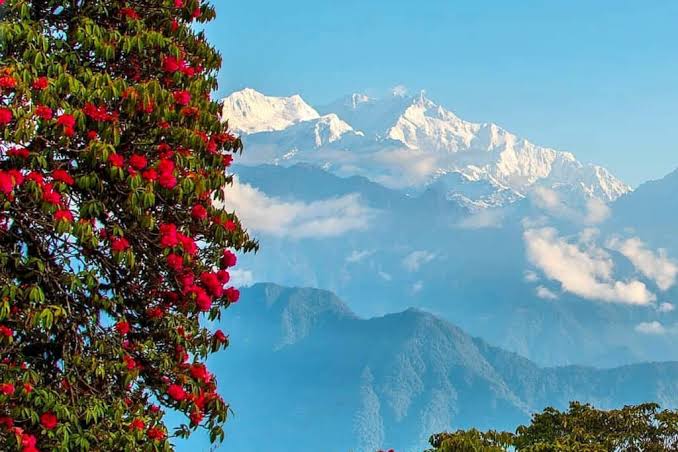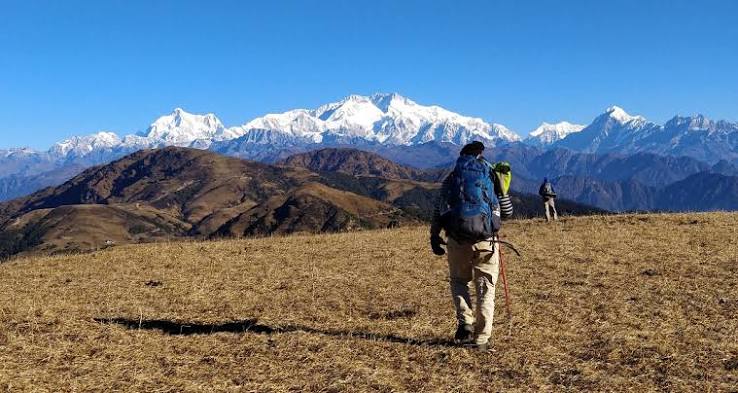
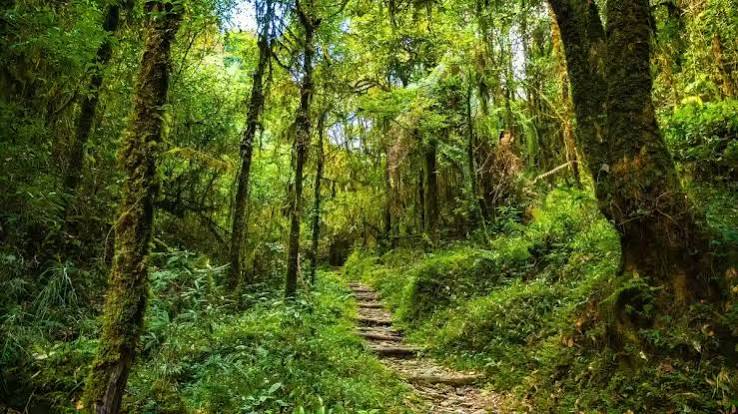
The Fambong Lho Wildlife Sanctuary is located about 20 kilometres from Gangtok. It covers an area of about 52 sq km above the road between Singtam and Dikchu with the highest point at a place called Tinjure at 2130 metres. Fambonglho derives its name from the Lepcha word "Hambomloh" referred to the wild local Avacado trees. The Sanctuary shelters the Himalayan black bear, red panda, civet cat (including a rare civet called the binturong or bear-cat), and many varieties of birds and butterflies. It is a great place to see several species of laughing thrush including the red-faced liocichla. The Sanctuary also has several rare species of flora including wild orchids and rhododendrons. A good view of Khangchendzonga range can be seen from Golitar, in the buffer area of the Sanctuary. The average elevation starts from 1524 m and the highest peak Tinjurey, a triangular hilltop is at 2130m. An upcoming short distance trekking trail, the sanctuary is rich in floral and faunal values. Rich in natural vegetation, the sanctuary comprises impenetrable green forest of oak, katus, kimbu, champ, ferns and bamboo.
- Best time to visitThe best time to visit Fambong Lho Wildlife Sanctuary is from March to May for blooming spring flora and October to November for clear mountain views.
- AccessibilityA black top road passes adjacent the sanctuary and visitors can take a taxi from Gangtok which is an hour’s drive. A short hike of 20 minutes from the Pangthang Forest Nursery takes one to the entrance of the wildlife sanctuary.
- Visit timingsBest visit hours 08:00 Hrs - 15:00 Hrs. Morning hours are the best time for day excursions.
- Difficulty levelEasy to moderate, suitable for beginners and families.
- Entry criteria & DocumentationNominal entry fee levied for all visitors and special permits required from the Forest Department. For Indian citizen - Original & photocopies of Government photo ID and 2 recent passport size photographs. For Non-nationals - Original & photocopies of Passport, Visa, Inner Line Permit and 2 recent passport size photographs.
- GuideIt is mandatory to hire a licensed guide.
- Observe-Maintain outdoor ethics while visiting the wildlife sanctuary. -Follow designated trails, take only pictures, leave only footprints. -Wear comfortable shoes and warm clothes. -Carry enough drinking water and snacks. -Bring back packages and food wrappers, dispose your waste responsibly. -Avoid picking plants and collecting any forest products. -Respect the birds and animal habitat.
- USPAdventurous hiking trail route into the sanctuary, bird watching and observing orchids, rhododendrons, oaks, ferns and medicinal plants. The highest point of the Sanctuary is Tinjure at 7000 ft where one can get a breathtaking 360 degrees view of the Himalayas.
More under Hikes